
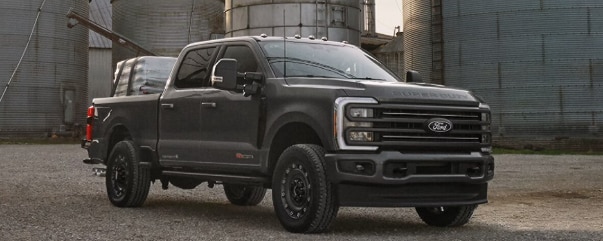
The 2026 Ford F-150 truck and the F-250 serve different needs, even though they may look similar at first glance. The F-150 offers better everyday comfort, fuel efficiency, and versatile performance, while the F-250 delivers stronger towing power, higher payload capacity, and heavy-duty durability. Choosing between them comes down to how much work you expect your truck to handle.
Are you trying to decide whether you need a lighter, more flexible truck or a heavy-duty workhorse? The answer often depends on how you plan to use it day to day.
Let's look into the key differences between these two popular models, from performance to capability and beyond.
Engine Options and Ford F-150 Truck Performance
The 2026 F-150 offers a range of engines that fit different driving needs. Buyers can choose from efficient options for daily use or stronger setups for towing and hauling. Each engine brings a different balance of power and fuel use:
- Multiple engine choices
- Balanced horsepower and torque
- Every day efficiency and drivability
Multiple Engine Choices
Ford continues to offer several engine options in the F-150 lineup. These include V6 engines, a V8 option, and a hybrid setup.
The EcoBoost engines remain a popular choice, giving drivers strong power without a large drop in fuel economy. The hybrid model adds another layer of flexibility, especially for those who want added efficiency without giving up capability.
Balanced Horsepower and Torque
Ford F-150 performance stands out for its balance. Horsepower levels vary by engine, though most options deliver enough strength for common tasks.
Torque comes on early in many setups, which helps with towing and quick acceleration. That balance makes the truck feel responsive in both city driving and highway conditions.
Everyday Efficiency and Drivability
Fuel economy remains a key part of the F-150's appeal. Lighter weight and smart engine design help keep fuel use lower than that of heavy-duty trucks.
The ride feels smooth, which makes it easier to use as a daily vehicle. For many drivers, the F-150 hits a sweet spot between power and comfort.
F-250 Engine Power and Heavy-Duty Performance
The 2026 F-250 focuses on strength and sustained performance under heavy load. Its engine lineup reflects that goal, with options built for towing, hauling, and long workdays.
Drivers who need more torque and durability will notice the difference right away:
- Gas and diesel engine options
- High torque for heavy loads
- Performance under stress
Gas and Diesel Engine Options
The F-250 offers both gas and diesel engines, giving buyers flexibility based on their needs. The gas V8 provides solid power for general work tasks and shorter hauls.
For those who need more pulling strength, the diesel option delivers higher torque and better performance over long distances. Among Ford truck models, the F-250 stands out for offering that diesel capability in a heavy-duty platform.
High Torque for Heavy Loads
Torque plays a major role in how the F-250 performs. Higher torque levels help move heavy trailers and large payloads without strain.
Acceleration feels steady, even when the truck carries a full load. In any Ford trucks comparison, this added torque sets the F-250 apart from lighter-duty options.
Performance Under Stress
The F-250 is built to maintain performance during tough jobs. Cooling systems and engine tuning help manage heat during long hauls or steep climbs. The truck stays stable under pressure, which gives drivers more confidence when handling demanding tasks.
Transmission and Drivetrain Comparison
Both trucks often come with a 10-speed automatic transmission. In the F-150, the transmission shifts smoothly and quickly, which helps with fuel use and comfort. It adapts well to city traffic and highway driving.
The F-250 uses a similar setup, though it's tuned for heavier work. Gear changes may feel firmer, especially when towing or hauling large loads.
Each truck offers both 4x2 and 4x4 configurations. Drivers can choose based on their needs and driving conditions. A 4x4 system adds traction on rough terrain or in poor weather.
In a Ford trucks comparison, the F-250 often handles off-road and jobsite conditions with more confidence, thanks to its heavier build.
Towing Capacity and Payload Differences
The F-150 towing capacity is strong for a light-duty truck. When properly equipped, it can handle boats, small trailers, and campers with ease.
Engine choice plays a big role in how much it can tow, with some setups offering higher limits than others. For many drivers, the F1-50 provides enough power for both work and recreation without feeling oversized.
F-250 Heavy-Duty Towing Strength
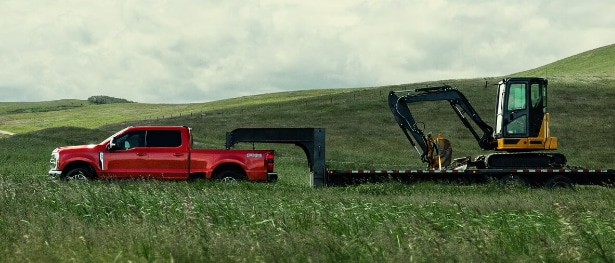
The F-250 takes towing to a higher level. It's built to handle large trailers, construction equipment, and heavy loads on a regular basis.
Stronger engines and a reinforced frame allow it to pull more weight without strain. In a Ford trucks comparison, the gap in towing ability becomes clear once the load increases.
Payload Differences and Real-World Use
Payload capacity shows how much weight each truck can carry in the bed. The F-250 supports heavier loads, which helps on job sites or long hauls. The F-150 still offers solid payload limits for lighter tasks, making it a more flexible choice for mixed use.
Technology, Safety, and Interior Comfort
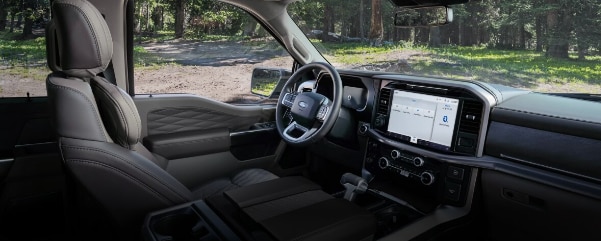
Both trucks come with advanced infotainment systems that are easy to use. Large touchscreens provide access to navigation, music, and apps. Many trims support wireless smartphone connection, which helps keep the cabin organized.
Among F-150 truck features, the system feels more geared toward daily driving and convenience. The F-250 offers similar tech, though its focus leans more toward work use.
Driver-Assist Safety Features
Safety technology continues to improve across Ford truck models. Features like lane-keeping assist, adaptive cruise control, and blind-spot monitoring help drivers stay aware of their surroundings.
Extra towing-related safety features are often more advanced in the F-250, which helps when pulling large trailers.
Cabin Comfort and Layout
Interior comfort varies based on trim level, though both trucks offer a range of options. The F-150 tends to feel more refined, with softer materials and a quieter ride. The F-250 provides solid comfort, though the focus stays on durability and function.
Pricing and Value Comparison
The F-150 usually starts at a lower price than the F-250. That makes it more accessible for drivers who want a capable truck without a high upfront cost.
Entry-level trims cover basic needs while still offering solid performance. The F-250 begins at a higher price, which reflects its heavy-duty build and added strength.
Both trucks offer a wide range of trims, from simple work models to more refined options. As features increase, the price climbs quickly.
Higher trims bring upgraded interiors, advanced tech, and stronger performance setups. In a Ford truck comparison, the cost gap often grows when buyers start adding options to either model.
Frequently Asked Questions
What Are the Key Differences in Maintenance Costs Between the F-150 and F-250?
Maintenance costs often vary based on how each truck is used. The Ford F-150 truck tends to cost less over time for routine service like oil changes, brake work, and tire replacement.
Parts are usually easier to find, which can keep repair bills lower. The F-250, especially with a diesel engine, may require more expensive service. Diesel engines need specific fluids and filters, which can raise costs.
Heavier components like brakes and suspension parts may wear faster under constant load. For drivers who don't tow often, the F-150 usually offers a more manageable long-term cost.
Which Truck Is Better for Daily Driving in Urban Areas?
City driving brings a different set of challenges, including tight streets and parking spaces. The F-150 is easier to handle in these situations. Its lighter build and smoother ride help during stop-and-go traffic.
Visibility is often better, which makes it easier to judge the space around the truck. The F-250 feels larger and takes more effort to park or turn in narrow areas.
Fuel use in the city tends to be higher with the F-250, which can add up over time. For regular commuting, the F-150 fits better into daily routines.
How Do Insurance Costs Compare Between These Two Trucks?
Insurance rates depend on several factors, including vehicle size, repair costs, and intended use. The F-150 often comes with lower insurance premiums.
It falls into a light-duty category, which may carry less risk in the eyes of insurers. The F-250 can cost more to insure, partly due to its higher value and heavy-duty classification.
Repair costs for larger components can increase premiums. Drivers who use the F-250 for work may see different rates compared to personal use. A Ford truck comparison in this area often shows a noticeable gap in cost.
Ford Trucks Comparison
The right choice depends on how you plan to use your truck each day. The Ford F-150 truck offers comfort, efficiency, and strong overall capability. The F-250 stands out for heavy-duty work and towing.
At Steve Marsh Ford, we take pride in being one of Tennessee's most trusted dealerships, serving Milan, Jackson, and nearby communities since the mid-1990s. Our team focuses on a relaxed, no-pressure experience built on honesty and respect.
With one of the largest selections of new and used vehicles in the state, competitive pricing, and a strong commitment to treating every customer like family, we work to make every visit simple, transparent, and worthwhile.
Get in touch today to find out how we can help with your next Ford purchase.